Electrical resistance is a fundamental concept in electrical and electronic engineering. It is measured in units of ohms (Ω). When certain limits are exceeded, primers such as kiloohms (kΩ) and mega-ohms (MΩ) are used to indicate higher values. This article will focus on the megaohm range (MΩ). This range is often used to measure very high resistors, which are necessary in certain applications.
What is a resistor?
Before analyzing the mega-ohm range, it is important to understand the concept of resistance. Resistance is the property of a material or circuit that obstructs the flow of electric current. According to Ohm’s law:
V = I × R
Where:
-
V : Voltage (V)
-
I : Current (Amps)
-
R : Resistance (ohms)
Ohm prefixes: from ohms to mega-ohms
-
1 ohm (Ω): The basic unit of resistance.
-
1 kiloohm (kΩ): Equal to 1000 ohms
-
1 mega ohm (MΩ) : Equivalent 1,000,000 to ohms
Mega-ohm values are often used when the resistance is very high. For example , applications such as insulation resistance, high-voltage detection circuits, and precision measurement systems often fall within this range.
Mega Ohm Range Applications
1. Measure the resistance of the insulator.
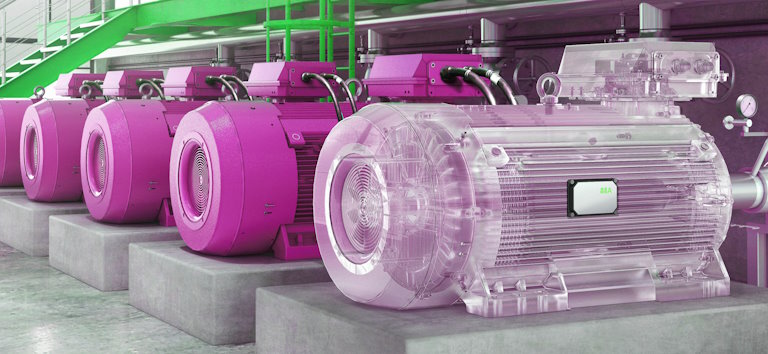
In electrical engineering, the insulation resistance of cables, motors, and electrical equipment is crucial. If the insulation resistance falls below a certain limit, there is a risk of leakage or short circuit. This resistance typically ranges from mega-ohms or even gigaohms.
2. Microelectronics (High Resistance Circuits)
In operating amplifiers (Op-Amps) or voltage-sensing circuits, high resistors are used to control the input current or reduce current consumption.
3. Testing and Measurement Department
Digital multimeters and insulation testers, such as mega-ohms devices, are designed to test resistance in the mega-ohm range.
4. Medicine and Bioelectronics
Some medical devices that receive very weak signals (such as an ECG or EEG) require very high impedance input to avoid affecting the signal.
Mega Ohm Meters
1. Digital Multimeter
Many advanced digital multimeters have the ability to measure resistors of up to several hundred mega-ohms, but their accuracy decreases when there are very high resistors.
2. major
This device is designed to measure the insulation resistance up to the gigahertz range. By applying a high voltage (500 V, 1000 V, or higher) to the device under test, its resistance value is measured.
Measurement Challenges in the Mega-Ohm Range
-
Effects of Humidity and Pollution
The presence of moisture, dust, or salt creates undesirable flow paths and reduces apparent resistance. -
Noise and Electromagnetic Interference:
With high resistance values, the flowing current is very minimal, making it susceptible to ambient noise. In this case, EMI shielding is crucial. -
Capacity between high-resistance
wires Even small amplitudes between two conductors can cause current leakage, leading to measurement errors.
Tips for Measuring High Resistance Accurately
-
Use special cables with a moisture-proof sheath.
-
Providing proper . grounding
-
Use equipment with high precision and high insulation.
-
Clean and dry the surface of the specimen and the surrounding area before taking the measurement.
-
Use insulated plastic holders to avoid contact with your hands.
Example of Mega Ohm Resistance
| request | Typical resistance value |
|---|---|
| Cable insulation resistance | 10 to 1000 Megaohms or higher |
| Operating Speaker Input | 1 to 100 Megaohms |
| MOSFET Gate Resistance | More than 100 Megaohms |
| Insulation Test Circuit | 100 to 5000 Megaohms |
Conclusion
The Migo Ohm series is essential in applications that require extremely high resistance. Whether for insulation testing , microcircuit design, or medical applications, accurately understanding and measuring this value requires expertise and appropriate equipment. With the right technical skills and tools, this series can be used to improve system safety, accuracy, and efficiency.